In This Article
- Conservative Party Proposes Strike Ban for NHS Doctors
- Badenoch Criticizes BMA, Defends Current Pay Deals
- BMA Rejects Proposal, Cites Ongoing Pay Dispute
- Resident Doctors Begin Five-Day Strike Amid Dispute
- NHS Implements Emergency Protocols, Patients Report Concerns
- Political and Public Scrutiny Over Strike Restrictions
Key Takeaways
- Conservative Party proposes banning NHS doctor strikes if re-elected, enforcing minimum service levels via legislation.
- BMA rejects the ban as 'desperate,' citing doctors' real-term wage declines (20% below 2008 levels) and demands a 26% pay increase.
- Resident doctors began a five-day strike amid pay disputes, with hospitals maintaining 80% of non-urgent procedures despite patient concerns over delays.
- Conservatives cite international precedents (e.g., Australia, Canada) for restricting health sector strikes, while BMA warns of undermining worker advocacy.
- Health Secretary Wes Streeting pledges to prevent BMA from 'holding the country ransom,' emphasizing minimal disruption to critical services during strikes.
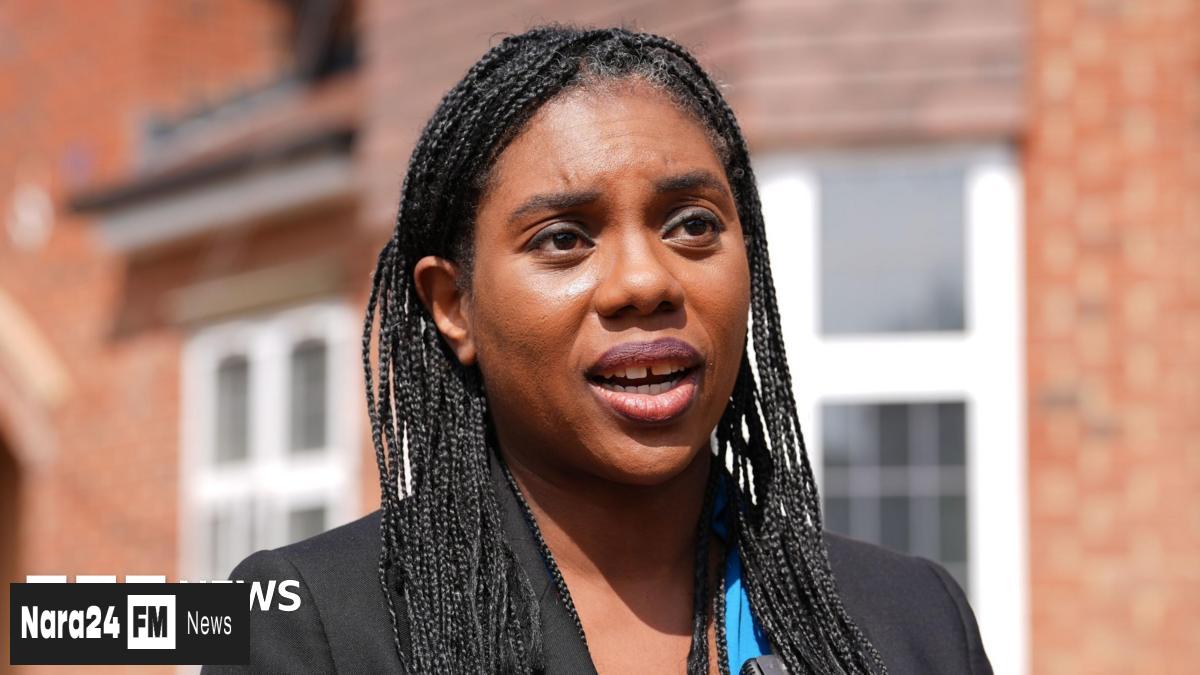
London, July 27, 2025 – Kemi Badenoch, the leader of the Conservative Party, has declared that her party would implement a ban on strikes by all NHS doctors if re-elected. The proposal, unveiled during a Sunday statement, aims to enforce minimum service levels through legislation, mirroring the restrictions placed on police officers and armed forces personnel.
Badenoch criticized the British Medical Association (BMA) for its "increasingly militant" approach, arguing that the current pay deal for resident doctors—already a 5.4% raise this year, following a 22% increase over the prior two years—was sufficient. She emphasized that doctors, as "vocationals," required a balance between fair compensation and safeguarding public finances, stating, "Conservatives are stepping in to protect patients and the NHS through common-sense measures."
The BMA, however, dismissed the move as a "desperate intervention," highlighting that pay for doctors remains 20% lower than in 2008 when adjusted for inflation. The union called for a 26% pay increase to reverse real-term wage declines, calling the Conservative proposal "misleading" and arguing that strike action is a "last resort" to address systemic issues.
Thousands of resident doctors, who previously served as junior doctors, began a five-day strike this week after failing to reach an agreement with the government on pay. The only legally strike-banned groups in the UK are police and non-civilian armed forces members, while doctors have historically retained the right to industrial action. NHS England has, however, established protocols for hospitals to request striking doctors return during emergencies, which remain active throughout the dispute.
Health Secretary Wes Streeting pledged the government would "not let the BMA hold the country to ransom," ensuring minimal disruption to critical services. Hospitals have reported that over 80% of non-urgent procedures continue, with senior doctors covering for striking resident staff. Despite this, some patients have shared concerns over canceled or postponed operations during the strike period.
The Conservatives also framed their policy as aligning with international standards, referencing countries like Australia, Canada, Greece, Italy, and Portugal, which impose strict limits on health sector strikes. However, the BMA remains unconvinced, stressing that such measures could undermine the ability of medical professionals to advocate for fair working conditions.
As the strike continues, the BBC has sought comment from the Labour Party on Badenoch’s proposals, underscoring the political and public scrutiny surrounding the issue. The debate highlights growing tensions between healthcare workers’ rights and the government’s responsibility to maintain service continuity.
Source: BBC News



Comments (0)
Leave a Comment
Be the first to comment on this article!