Key Takeaways
- Over 220 UK MPs from nine political parties have demanded formal recognition of Palestinian statehood, marking the largest parliamentary push since 2014.
- The UK government is considering recognition as part of a 'wider plan' to ensure lasting security for Israelis and Palestinians, following diplomatic pressure from France and Germany.
- The cross-party coalition includes prominent figures from Labour, Conservatives, Liberal Democrats, and the SNP, reflecting broad political support.
- The initiative aims to send a 'powerful signal' toward achieving a two-state solution, despite concerns that symbolic recognition may bypass governance issues.
- A joint declaration by the UK, France, and Germany called for Gaza aid to be unblocked and condemned civilian casualties, though it stopped short of recognizing Palestinian statehood.
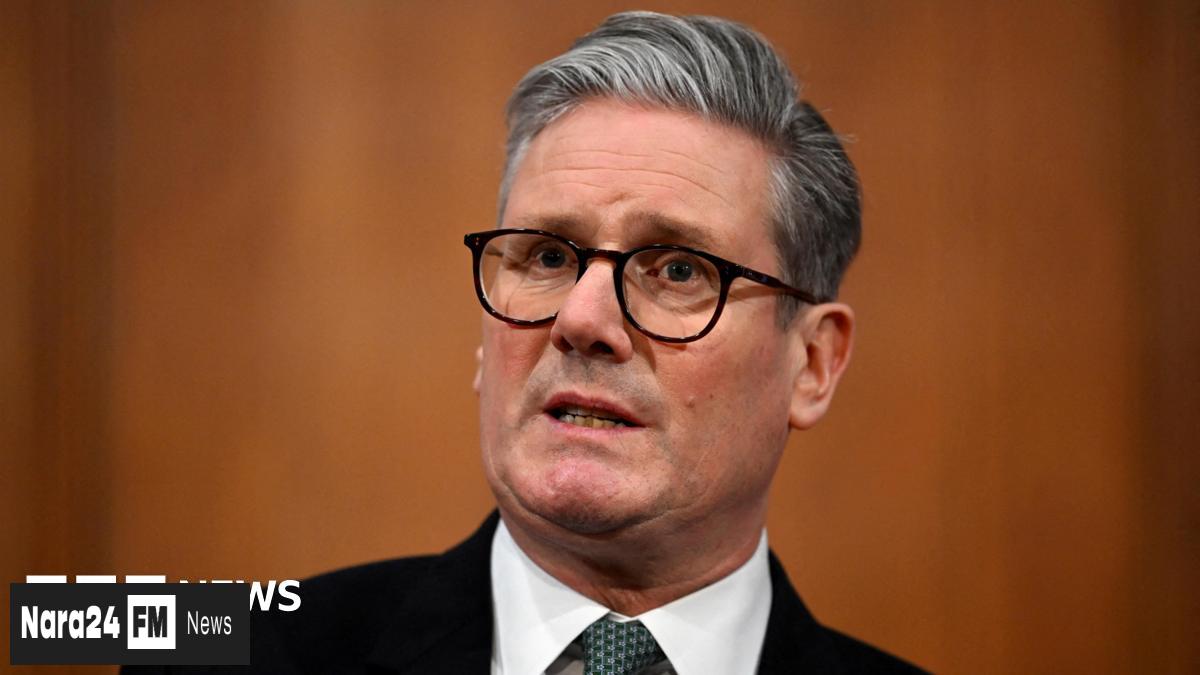
More than 220 British lawmakers from nine political parties have jointly demanded Prime Minister Keir Starmer formally recognize Palestinian statehood, intensifying pressure on the government after France vowed to take the same step within months.
The letter—signed by over a third of Parliament’s MPs, including 131 from Labour—insists UK recognition would deliver a "powerful signal" and serve as an essential move toward a two-state solution. It represents the largest parliamentary push on the issue since 2014, when MPs overwhelmingly backed a non-binding motion supporting Palestinian statehood.
Mounting diplomatic pressure follows French President Emmanuel Macron’s pledge to recognize Palestine. After an emergency call with Macron and German Chancellor Friedrich Merz, Starmer acknowledged recognition must be part of a "wider plan" guaranteeing lasting security for Israelis and Palestinians. "I am unequivocal that [recognition] has to be one of those steps," he stated, while emphasizing the need for concrete cease-fire measures.
A subsequent joint declaration by the UK, France, and Germany omitted statehood recognition but demanded Israel "immediately lift restrictions" on Gaza aid, condemned the "inhumane killing of civilians," and called for Hamas’ disarmament. Israel’s foreign ministry rejected the statement as "disconnected from reality," insisting Hamas alone bears responsibility for civilian suffering.
Signatories span the political spectrum, including Lib Dem leader Sir Ed Davey, former Conservative ministers Kit Malthouse and Sir Edward Leigh, SNP members, and Labour heavyweights. Organizer Sarah Champion MP argued recognition would affirm Palestinian rights "amid catastrophic conditions," referencing UN reports of 1,000+ Palestinians killed while seeking aid since May and acute child malnutrition in Gaza City.
While 139 nations recognize Palestine, most European powers and the US condition endorsement on a comprehensive peace deal. Spain, Ireland, and Norway broke ranks in 2024 to spur cease-fire efforts, though skeptics warn symbolic recognition risks bypassing critical governance issues. The UK government maintains its stance hinges on a "pathway to peace" with regional allies.



Comments (0)
Leave a Comment
Be the first to comment on this article!