In This Article
- Freed Hostage Condemns UK's Gaza Recognition Plan
- Starmer's Conditional Palestinian State Recognition
- Israeli Leaders and Hostage Families' Reactions
- Humanitarian Crisis in Gaza and IPC Report
- Timing of UK's Decision Amid Escalating Conflict
- Ongoing Debate and Uncertain Path Forward
Key Takeaways
- Emily Damari, a British-Israeli hostage recently released from Hamas captivity, criticized Prime Minister Sir Keir Starmer's plan to recognize a Palestinian state, warning it could reward terrorism and prolong the conflict.
- Starmer's recognition plan is contingent on Israel agreeing to a ceasefire and reviving the two-state solution, but families of hostages argue it could incentivize Hamas to delay hostage releases.
- The UK's decision has sparked international debate, with critics, including Israeli Prime Minister Benjamin Netanyahu, accusing it of rewarding Hamas's terrorism and undermining efforts to secure hostage releases.
- The humanitarian crisis in Gaza has worsened, with famine thresholds reached in most of the territory, prompting calls for immediate action over political gestures.
- Legal representatives of hostage families expressed concerns that Starmer's plan might delay hostage releases by giving Hamas leverage, urging the UK to prioritize the unconditional return of all captives.
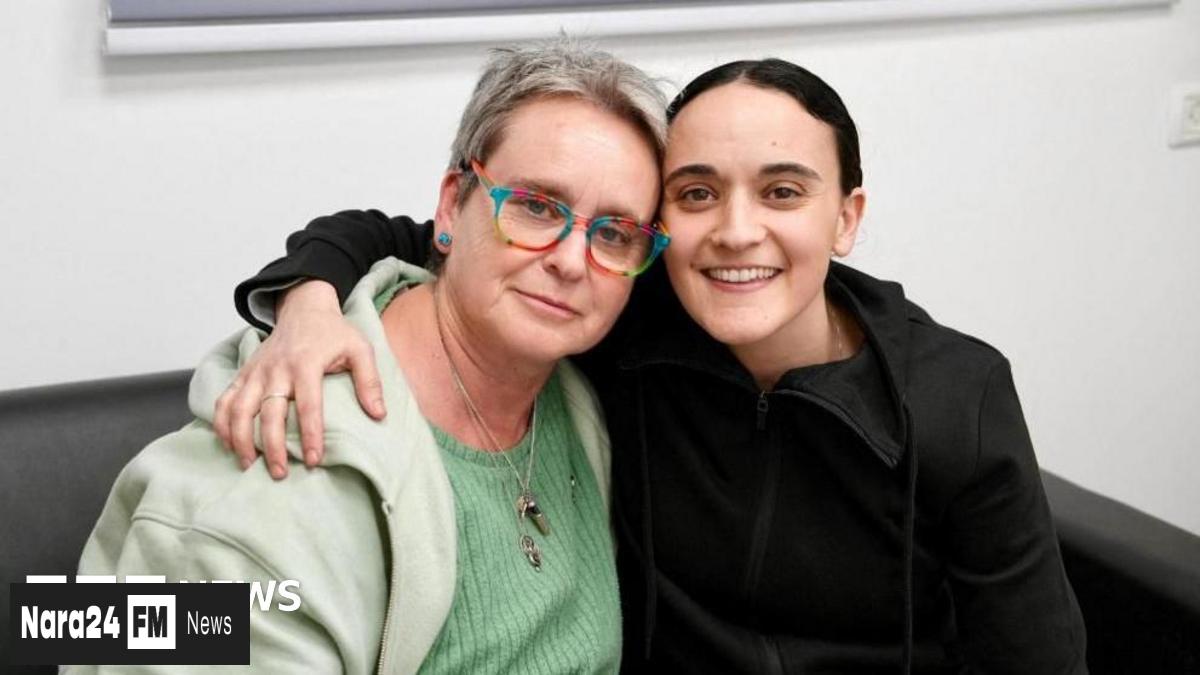
Emily Damari, a British-Israeli woman who spent over 15 months in Hamas captivity, has publicly condemned Prime Minister Sir Keir Starmer’s pledge to recognize a Palestinian state, calling it a dangerous move that "risks rewarding terror." Released in January 2025 after being held hostage since October 2023, Damari highlighted the ongoing plight of her friends Ziv and Gali Berman, still detained by Hamas, and expressed deep reservations about the UK’s conditional recognition plan.
Starmer announced on Tuesday that the UK would recognize a Palestinian state in September, contingent on Israel agreeing to a ceasefire and reviving a two-state solution. However, Damari and other families of hostages argue this approach could inadvertently incentivize Hamas to prolong the conflict. "Prime Minister Starmer is not standing on the right side of history," Damari wrote on social media, questioning whether such recognition would align with historical justice if applied to Nazi-occupied countries during World War II.
Israeli Prime Minister Benjamin Netanyahu swiftly condemned the UK’s stance, accusing it of rewarding Hamas’s "monstrous terrorism." The families of hostages, including those of Steve Brisley, whose sister and nieces were killed in the October 7 attack, emphasized their focus on immediate action rather than broader political debates. Brisley stated, "We need moral clarity that the release of hostages will bring this to an end," warning that the lack of a Hamas ceasefire deadline could undermine efforts to secure freedom for the remaining captives.
The UK’s decision comes amid escalating humanitarian concerns in Gaza, where UN-backed experts have warned of a "famine scenario" due to severe shortages of food, medicine, and fuel. The Integrated Food Security Phase Classification (IPC) report indicated that famine thresholds have been reached in most of the Gaza Strip, though it stopped short of an official classification. Critics argue that Israel’s blockade and military actions, combined with aid distribution by US-Israel-backed groups, have exacerbated the crisis.
Legal representatives of hostage families reiterated their fears that Starmer’s plan might delay the release of captives by giving Hamas leverage. "Recognition under these conditions emboldens extremists and undermines any hope for genuine peace," one statement read. The families urged the UK to "provide clarity" that Hamas will not be rewarded for its actions and to prioritize the unconditional return of all hostages.
Starmer’s announcement also faces scrutiny over its timing, as Israel recently resumed a military offensive after a brief ceasefire. The UK’s foreign secretary, David Lammy, acknowledged the dire situation in Gaza, stating, "The world has seen the most horrific humanitarian crisis in modern history." Yet, the debate over recognition continues to deepen divisions, with families of hostages and survivors demanding a focus on de-escalation and rescue efforts over political gestures.
As the situation in Gaza worsens, the UK’s stance has drawn sharp criticism from both sides of the conflict. While Starmer frames his decision as a step toward peace, those directly affected argue it risks normalizing violence and prolonging suffering. The path forward remains unclear, with time running out for the hostages still held and the international community grappling with how to balance diplomacy and humanitarian urgency.
Source: BBC News





Comments (0)
Leave a Comment
Be the first to comment on this article!