In This Article
- Current State of US-Russia Relations
- Personal Dynamics Between Trump and Putin
- US Actions and Policies Toward Russia
- Russian Actions and Policies Toward the US
- Historical Context of US-Russia Relations
- Potential for Resolution or Conflict
Key Takeaways
- US-Russia relations are deteriorating due to the volatile personal dynamics between Presidents Trump and Putin, with both leaders pursuing unwavering positions on core issues.
- Russia shows no intention to halt its military actions in Ukraine, despite public calls for diplomatic solutions, while the US escalates economic and military pressure through sanctions, tariffs, and nuclear submarine deployments.
- A brief period of potential rapprochement emerged early in Trump's administration, including US support for Russia at the UN and warm personal exchanges, but tensions resurged as Trump prioritized pressuring Kyiv and NATO.
- Experts remain divided on the likelihood of a resolution, though continued diplomatic talks, such as those between US envoy Steve Witkoff and Putin, suggest some engagement persists despite the crisis.
- The fundamental disagreement over Ukraine's future, with Putin seeking to assert Russia's influence and Trump demanding concessions, appears insurmountable without significant compromise from either side.
Frozen Rails: US-Russia Relations in Crisis
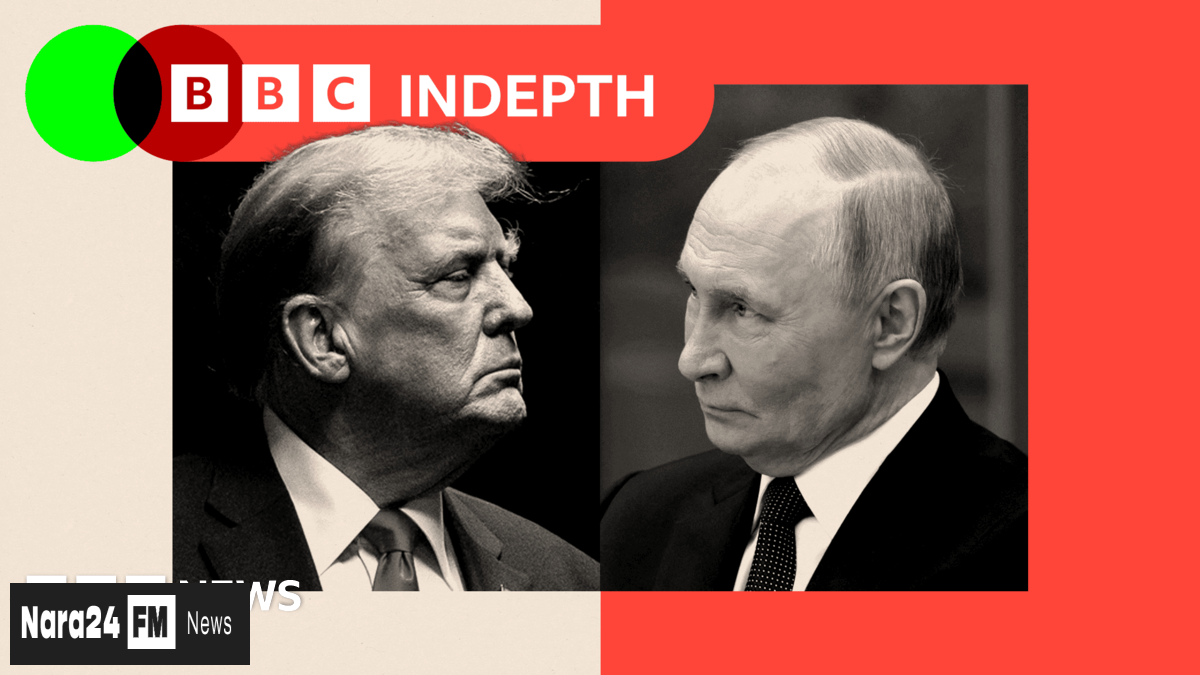
A new report suggests the delicate balance of US-Russia relations may be fracturing, with the personal dynamics between Presidents Donald Trump and Vladimir Putin creating a volatile situation.
The metaphor of two unstoppable trains hurtling towards each other captures the current perilous state of bilateral ties, according to recent commentary. A prominent Russian newspaper depicted the relationship as a collision course, with both leaders demonstrating unwavering determination on core issues.
For Russia, under President Putin's leadership, the "locomotive" maintains full steam ahead, characterized by the "Special Military Operation" in Ukraine and a refusal to entertain a ceasefire. Moscow shows no inclination to halt hostilities, despite publicly professing a desire for diplomatic solutions.
In contrast, the "Trump locomotive" has been actively accelerating its pace, employing maximum pressure tactics against Russia. This includes setting tight deadlines, issuing sanctions threats, and imposing hefty tariffs on Russia's key trading partners like India and China. Adding to these economic measures, the US president has reportedly repositioned nuclear submarines closer to Russian shores, underscoring the seriousness of the perceived confrontation.
Despite these deep-seated differences and escalating rhetoric, the relationship was not always fraught with tension. In the early days of the renewed Trump administration, signs of potential rapprochement emerged, with Washington and Moscow appearing to align, notably when the US backed Russia at the United Nations in February. Warm personal exchanges were suggested, fueling speculation of a potential summit between the two leaders.
However, the honeymoon period ended as Trump's administration pivoted its focus to pressure Kyiv, while simultaneously adopting a confrontational stance towards European allies and NATO. These actions, pleasing to the Kremlin, were met with growing frustration from Moscow as Trump's demands regarding Ukraine became increasingly clear and firm.
Trump has repeatedly voiced strong condemnation of Russia's actions in Ukraine, calling them "disgusting" and "disgraceful," and has accused Putin of offering "a lot of bullshit." His administration set ambitious ultimatums, demanding an unconditional ceasefire, sanctions relief, and the withdrawal of forces, with deadlines shrinking dramatically from months to mere days. Yet, despite the intense pressure, there remains no indication that Moscow will capitulate.
Experts offer differing perspectives on the likelihood of a crash. While acknowledging the deep divisions, some point to the continued diplomatic engagement – including multiple high-level talks between the US special envoy Steve Witkoff and Putin – as evidence that a resolution is still technically possible. Witkoff was even gifted a portrait of Trump by the Russian leader, signifying a maintained, if frosty, personal rapport.
Nevertheless, the fundamental divergence regarding Ukraine's future appears insurmountable for now. As one expert noted, "Putin sits there in the Kremlin and thinks that he's fulfilling the dreams of the Russian tsars... in showing the West that Russia should not be treated with disrespect." Until Ukraine concedes or finds a path to negotiate, the "collision course" declared by the Kremlin press seems increasingly unavoidable, even if cooler heads within Washington continue to explore potential diplomatic avenues.


Comments (0)
Leave a Comment
Be the first to comment on this article!