In This Article
- Introduction to the Trump-Putin Summit in Alaska
- Ukraine's Exclusion from the Talks and Concerns Over Legitimacy
- Trump's Ultimatum and the Sanctions Countdown
- U.S. Strategy: Optimism, Caution, and Threats
- Russia's Stance: Sovereignty Demands and Silence on Negotiations
- Implications for Trump's Legacy and European Diplomatic Hopes
Key Takeaways
- U.S. President Donald Trump and Russian President Vladimir Putin are set to meet in Alaska for the first in-person summit in six years, aimed at resolving the ongoing conflict in Ukraine.
- Trump hopes to leverage his personal rapport with Putin to secure a ceasefire in Ukraine, despite acknowledging a low chance of success, estimated at 25%.
- Ukraine's President Volodymyr Zelensky has been excluded from the talks, raising concerns about the legitimacy of any agreements reached without his involvement.
- The meeting is taking place on a U.S. military base, reflecting security concerns and the brief nature of the discussion, which is expected to last only a few hours.
- Trump has warned of severe consequences if Putin does not agree to end the war, while also indicating potential secondary tariffs on India over its Russian oil purchases, highlighting a mix of optimism, caution, and threats in the U.S. approach.
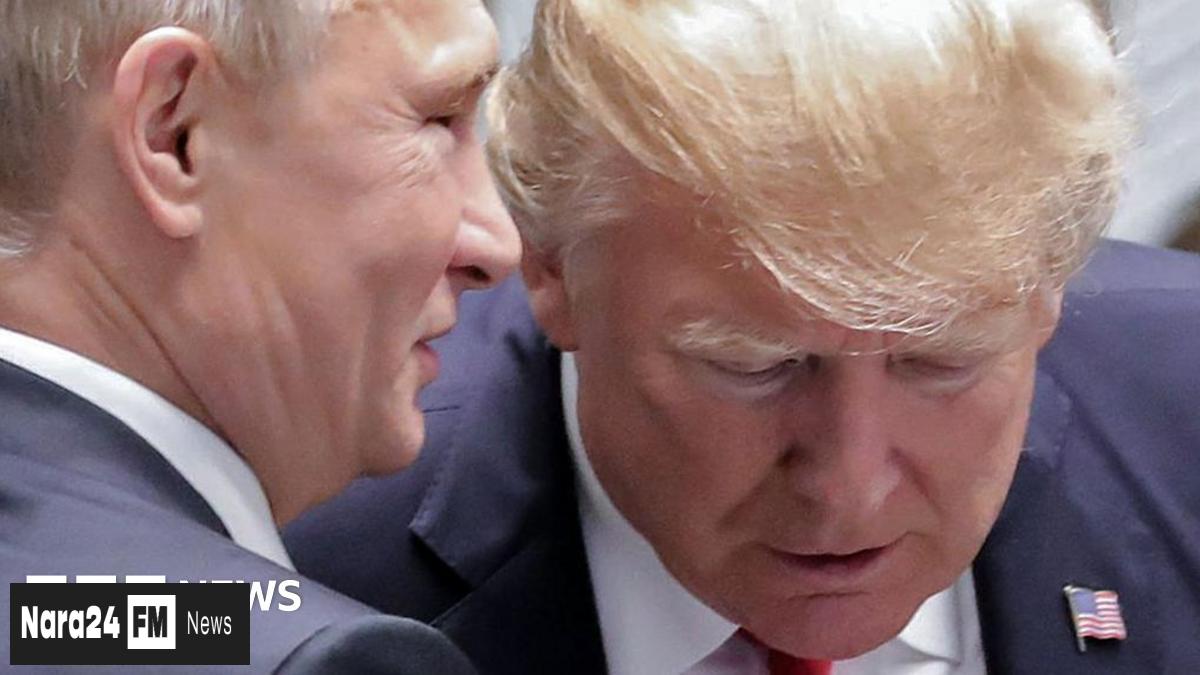
ALASKA — In a highly anticipated diplomatic maneuver, U.S. and Russian officials are set to convene in Alaska ahead of a crucial meeting between Presidents Donald Trump and Vladimir Putin. The summit, scheduled for Friday, marks the first in-person encounter between the two leaders in six years and comes as Trump seeks to fulfill his campaign promise to resolve Russia's ongoing war in Ukraine.
The U.S. president, known for his self-proclaimed role as a global peace broker, hopes to utilize his personal rapport with Putin to secure a ceasefire, an endeavor that has thus far eluded other international efforts. However, Trump has acknowledged the challenges, estimating a "25% chance" that the meeting may not yield the desired outcomes.
Ukraine's President Volodymyr Zelensky has been excluded from the talks, expressing concern that any agreements reached without his involvement would lack legitimacy. Despite this, the city of Anchorage shows few signs of the impending high-stakes meeting, aside from the influx of international media and tourists enjoying the Alaskan wilderness.
The meeting will take place on a nearby U.S. military base, reflecting both security considerations and the brevity of the scheduled discussion, which is expected to last only a few hours. This summit follows Trump's ultimatum to Russia, issued a week prior, to achieve a ceasefire or face stringent new sanctions.
While the likelihood of a ceasefire agreement between Kyiv and Moscow before the deadline was slim, the announcement of the Trump-Putin meeting has effectively paused the sanctions countdown, buying both sides additional time to strategize. Trump has already indicated his intention to impose secondary tariffs on India later this month over its Russian oil purchases, though the full extent of potential sanctions remains uncertain.
The American approach to the summit has been characterized by a mix of optimism, caution, and threats. Trump has warned of "very severe consequences" if Putin does not agree to end the war, a stance seemingly reinforced by a recent call with European leaders, including Zelensky. However, Kyiv was alarmed when Trump suggested the "swapping of territories" and the White House hinted at a passive approach, treating the meeting as a "listening exercise."
The Russians have largely maintained silence, refusing to engage with speculation about potential deals or territorial exchanges. The Kremlin's official position remains steadfast: the war will only conclude when Russia secures full sovereignty over the Ukrainian regions it partially occupies—Donetsk, Luhansk, Kherson, and Zaporizhzhia—and when Kyiv agrees to demilitarize and refrain from joining NATO.
Trump, however, remains optimistic that his personal relationship with Putin could facilitate a breakthrough. The outcome of the summit is crucial for Trump's international legacy, particularly as he seeks to fulfill his campaign promise of swiftly ending the war and reducing America's involvement in costly foreign conflicts. European leaders, caught in the middle, hope that Trump will advocate for their interests during the meeting.
Despite Zelensky's protests that any agreement without Ukrainian input would be meaningless, the U.S.-Russia meeting is set to proceed as a bilateral discussion. The world watches closely as these two global powers attempt to navigate one of the most pressing geopolitical crises of our time.




Comments (0)
Leave a Comment
Be the first to comment on this article!