In This Article
- Eight Years of Frozen Conflict
- Current Battlefield Realities
- Divergent Ceasefire Visions
- The Negotiation Minefield
- European Perspectives
Key Takeaways
- The upcoming Trump-Putin summit in Alaska has intensified speculation about potential changes to Ukraine's territorial boundaries amid ongoing conflict.
- Russia's control of Ukrainian territory has decreased from 27% to 20% since the 2022 invasion, with recent advances in the east being slow and costly.
- Ukrainian President Zelensky opposes territorial concessions, warning that abandoning Donbas could enable future Russian aggression, while Trump's vague remarks on 'territorial swaps' have raised diplomatic concerns.
- Key negotiation issues include Russia's demand for full control of Donbas and a land bridge to Crimea, versus Ukraine's insistence on restoring territorial integrity.
- Western allies oppose premature border discussions, emphasizing the need for a complete ceasefire, security guarantees, and an internationally supervised peace process before any territorial compromises.
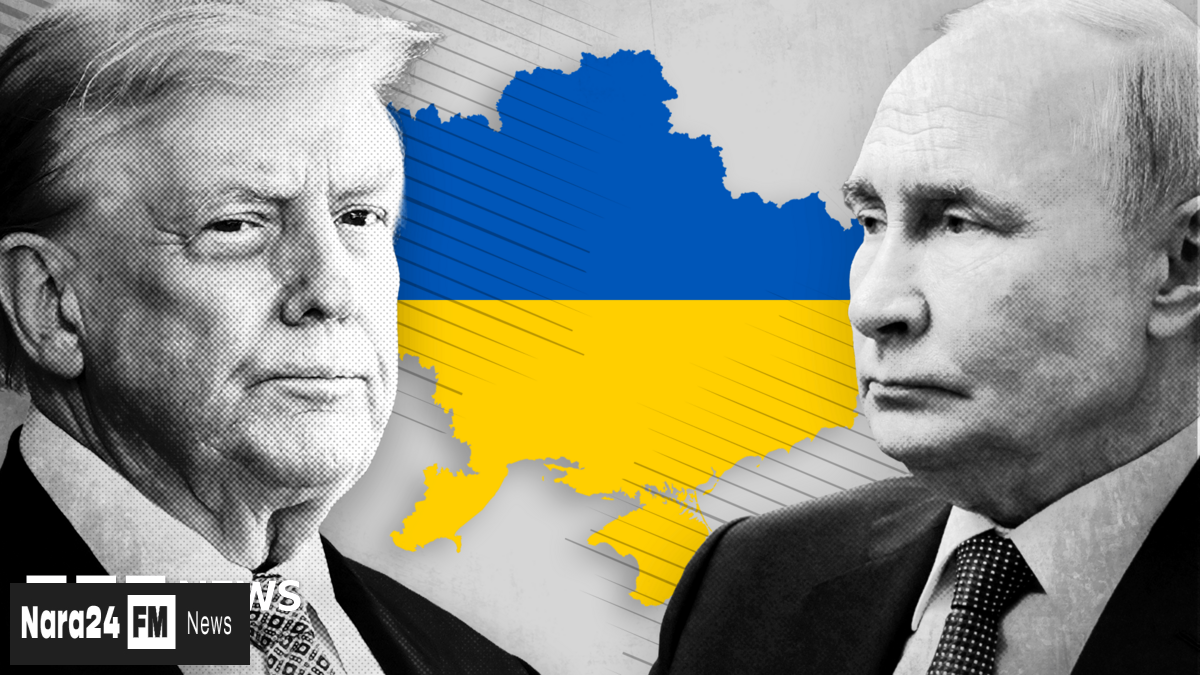
The impending Alaska summit between U.S. President Donald Trump and Russian leader Vladimir Putin has sparked intense speculation about potential changes to Ukraine's territorial boundaries. The meeting comes as conflict lines continue to shift in Europe's most volatile military confrontation.
Eight Years of Frozen Conflict
Russia first asserted control over Ukrainian territory in 2014 with the annexation of Crimea, followed by support for separatist movements in Donetsk and Luhansk oblasts. This "frozen conflict" claimed approximately 14,000 lives before escalating into full-scale warfare in February 2022.

Current Battlefield Realities
While Russian forces initially captured nearly 27% of Ukrainian territory, current estimates show their control reduced to about 20%. Recent months have seen:
- Slow but costly Russian advances in eastern regions
- Ukrainian forces maintaining defensive positions around key cities
- Intensified fighting near strategic locations like Dobropillya
Divergent Ceasefire Visions
Ukrainian President Volodymyr Zelensky continues pushing for an unconditional ceasefire, a position supported by European allies. However, recent Trump statements suggesting "territorial swaps" have raised concerns in diplomatic circles.
"Ukraine could not abandon Donbas territories," Zelensky stated this week, warning that such concessions might enable future Russian aggression.
The Negotiation Minefield
Key sticking points in potential negotiations include:
| Region | Russian Position | Ukrainian Position |
|---|---|---|
| Donbas | Full control of Donetsk/Luhansk | Protection of current holdings |
| Southern Regions | Maintain land bridge to Crimea | Restore territorial integrity |
Analysts note that Russia's suggested "freeze lines" proposal would effectively cement its gains, while Trump's vague references to coastal territories leave critical questions unanswered about potential concessions.
European Perspectives
Western allies remain firmly opposed to premature discussions about border adjustments. Diplomatic sources suggest any territorial negotiations must follow:
- A complete cessation of hostilities
- Security guarantees for Ukraine
- Internationally supervised peace process
As summit preparations intensify, the international community watches closely to see whether these high-stakes talks will bring resolution or further complicate the path to peace.


Comments (0)
Leave a Comment
Be the first to comment on this article!