In This Article
- The Environmental Impact of Lithium Mining in Chile
- Water Depletion and Ecological Damage
- The Global Demand for Lithium
- Mitigating the Environmental Costs
- Balancing Green Tech and Ecosystem Protection
Key Takeaways
- Chile's Atacama Desert, rich in lithium reserves, faces severe ecological damage due to water depletion from mining operations.
- Global lithium demand has surged, driven by electric vehicle batteries and renewable energy storage, with consumption projected to exceed 900,000 tonnes by 2040.
- Lithium extraction methods, such as brine pumping, are causing wetlands to dry up and threatening native flora and fauna, including carob trees and flamingo populations.
- Experts warn that lithium mining contributes to 'ecological exhaustion,' reducing freshwater availability for both ecosystems and local communities.
- Balancing lithium production with environmental protection remains a critical challenge as Chile's government aims to boost output to meet global green tech demands.
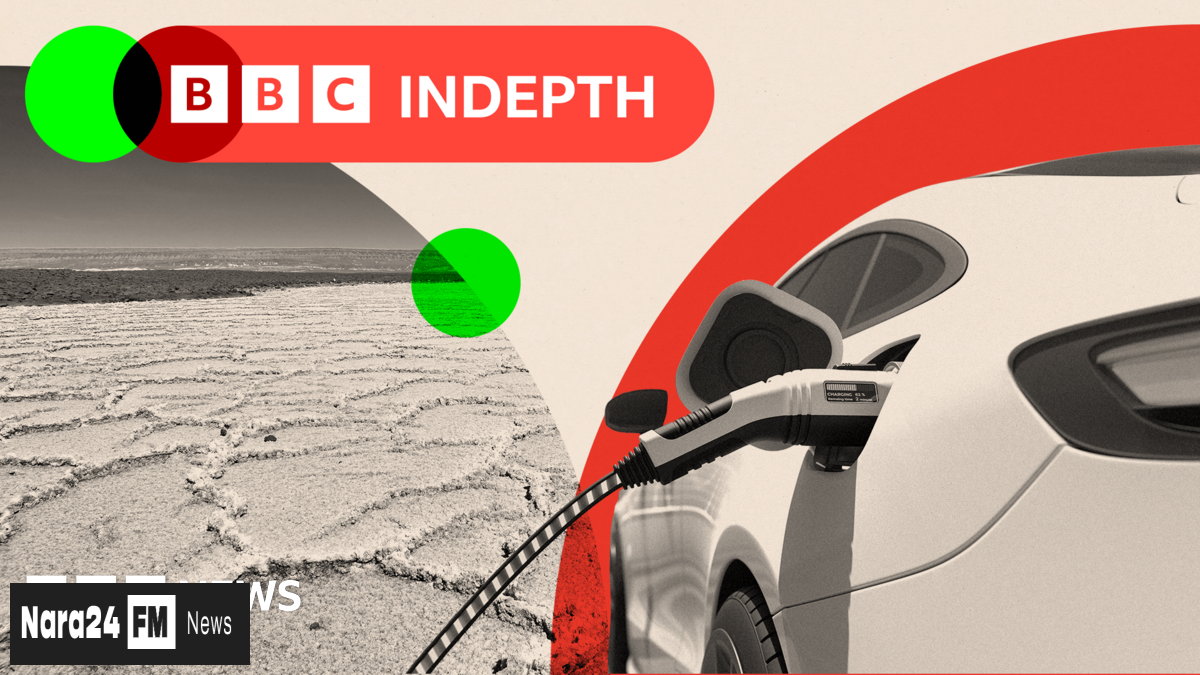
Chile's Atacama Desert, home to the world's largest lithium reserves, is at the heart of a growing environmental dilemma. While lithium is a critical component for electric vehicle batteries and renewable energy storage, its extraction is wreaking havoc on the region's fragile ecosystem.
Raquel Celina Rodriguez, a longtime resident of the Atacama salt flats, recalls a time when the Vega de Tilopozo wetland was lush and teeming with life. "Before, the Vega was all green," she says. "Now everything is dry." Her family, who once raised sheep here, has witnessed firsthand the devastating effects of water depletion caused by lithium mining operations.
Lithium, a silvery-white metal, is in soaring demand as the world transitions to renewable energy. According to the International Energy Agency (IEA), global lithium consumption more than doubled from 95,000 tonnes in 2021 to 205,000 tonnes in 2024, with projections reaching over 900,000 tonnes by 2040. This surge is primarily driven by the need for electric car batteries.
However, the environmental cost of this boom is steep. Chile, the world's second-largest lithium producer after Australia, has seen its salt flats and wetlands dry up as mining companies pump vast amounts of water from underground. Faviola Gonzalez, a biologist monitoring the Los Flamencos National Reserve, notes that lagoons are shrinking, and flamingo populations are declining. "The whole food chain is affected," she explains.
The extraction process involves pumping lithium-rich brine from beneath the salt flats into surface evaporation pools, a method that exacerbates water scarcity in this drought-prone region. A 2022 report by the US-based National Resources Defense Council found that nearly one-third of native carob trees in the area had died due to mining impacts.
James J. A. Blair, an assistant professor at California State Polytechnic University, warns that lithium mining is contributing to "ecological exhaustion," reducing freshwater availability for both wildlife and local communities. While definitive evidence is hard to establish, the environmental damage is undeniable.
Karen Smith Stegen, a political science professor studying lithium mining, emphasizes that while mining inevitably harms the environment, companies can take steps to mitigate the damage. "What they should have done from the very beginning was to involve these communities," she says, suggesting social impact assessments to evaluate the broader consequences of mining activities.
As Chile's government pushes to increase lithium production through its National Lithium Strategy, the challenge lies in balancing the global demand for green technology with the urgent need to protect vulnerable ecosystems. The world's race to decarbonize may inadvertently be fueling another environmental crisis.


Comments (0)
Leave a Comment
Be the first to comment on this article!