In This Article
- Trump Condemns Canada's Recognition as Barrier to Trade Deal
- Palestinian Authority Hails Canada's 'Historic' Statehood Recognition
- Canada's Conditions for Recognition: Elections and Demilitarization
- Trudeau Navigates Diplomacy Between Statehood Support and Reforms
- U.S. Policy Conflicts and Impact on Bilateral Trade Talks
- International Debate on Recognition's Role in Middle East Peace
Key Takeaways
- Trump opposes Canada's recognition of a Palestinian state, warning it could hinder U.S.-Canada trade negotiations.
- The Palestinian Authority lauds Canada's move as a 'historic' step toward Palestinian self-determination and statehood.
- Canada conditions recognition on Palestinian reforms, including elections by 2026 excluding Hamas and demilitarization.
- Trudeau's decision highlights diplomatic tensions as Canada balances statehood support with security and political demands.
- The recognition debate underscores global power dynamics and the role of international policy in Middle East peace efforts.
Trump Criticizes Canada's Recognition of Palestinian State as Trade Deal Obstacle
Canadian Policy Shift Sparks Diplomatic Tensions Amid U.S. Pressure
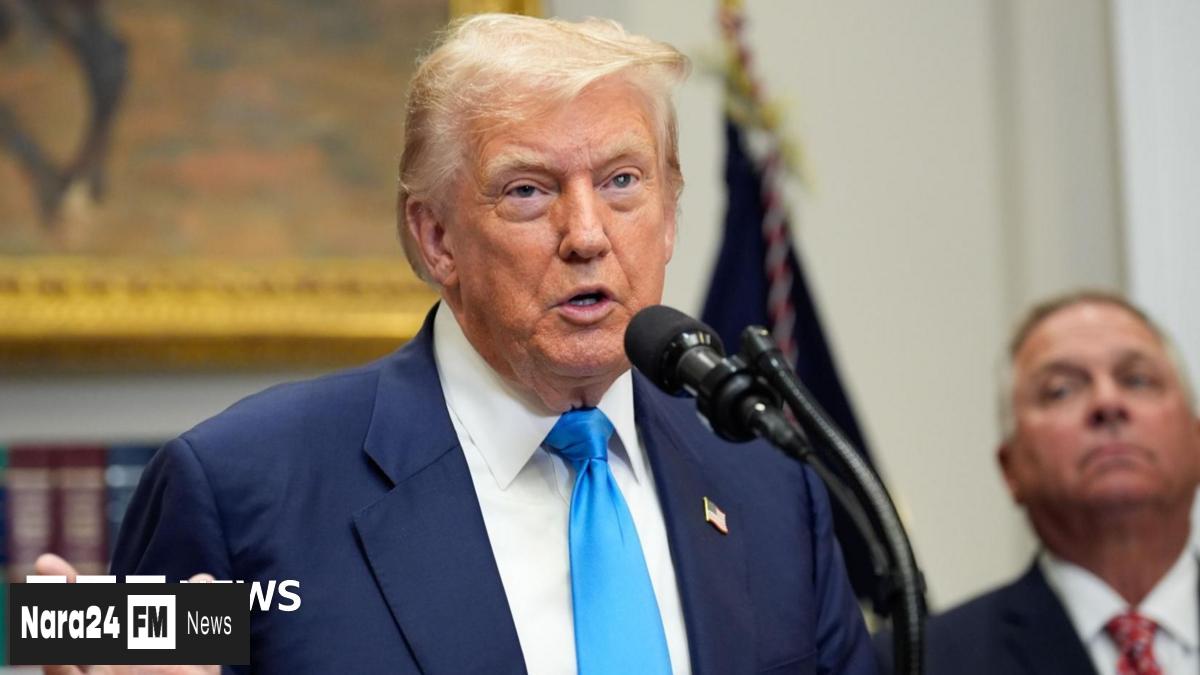
U.S. President Donald Trump has expressed strong disapproval of Canada’s recent decision to formally recognize a Palestinian state, asserting that the move could undermine efforts to secure a trade agreement between the two nations. This comes as the Palestinian Authority hailed the action as a “historic” and “principled” step toward achieving self-determination for Palestinians.
President Mahmoud Abbas of the Palestinian Authority praised Canada’s recognition, calling it a pivotal moment in the quest for peace and justice. In a statement shared on X (formerly Twitter), the Palestinian Ministry of Foreign Affairs emphasized the significance of the move, stating it aligns with the “inalienable right of the Palestinian people to statehood.”
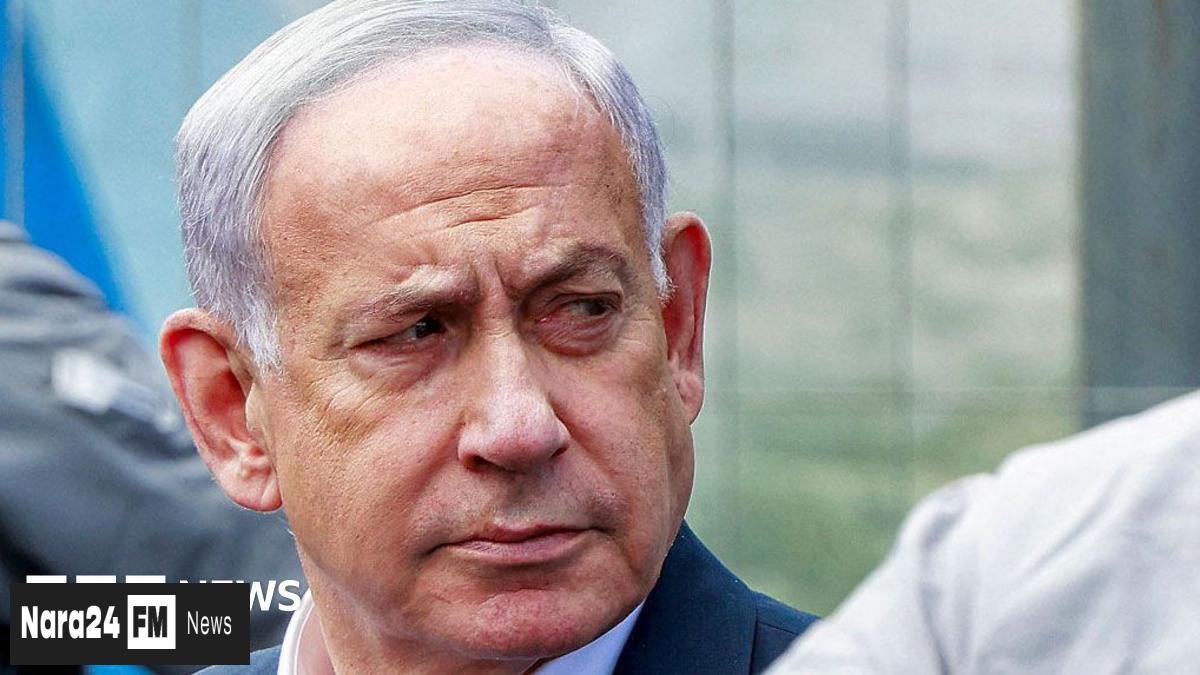
Notably, the Palestinian Authority currently exercises limited control over parts of the West Bank not fully occupied by Israel, and it has been without authority over Gaza since 2007, when Hamas assumed control there. Canadian Prime Minister Justin Trudeau outlined conditions for the recognition, highlighting the need for the Palestinian Authority to commit to critical reforms. These include holding general elections by 2026, in which Hamas would not be allowed to participate, and ensuring the demilitarization of the future Palestinian state.
Trudeau’s remarks underscore the complexities of international diplomacy in the region, as Canada seeks to balance support for Palestinian statehood with demands for political and security reforms. Trump’s response, meanwhile, reflects broader U.S. concerns about aligning with nations that challenge its Middle East policies, potentially complicating bilateral trade discussions.
The development has reignited debates over the role of international recognition in advancing peace efforts and the conditions under which such recognition is granted. As negotiations continue, the stance of global powers like Canada and the U.S. will remain central to the evolving geopolitical landscape in the Middle East.


Comments (0)
Leave a Comment
Be the first to comment on this article!