In This Article
- Overview of US Military Strikes on Iranian Facilities
- Netanyahu's Reaction and Israel's Role
- Iran's Claims and Potential Implications
- US Stance on Regime Change and Iran's Retaliation Options
- Escalation Risks and Regional Threats
- International Perspectives and Uncertainty
Key Takeaways
- US military strikes on Iranian nuclear facilities have significantly shifted the conflict dynamics in the Middle East.
- Israeli Prime Minister Benjamin Netanyahu praised the US action, marking a shift in Trump's foreign policy stance.
- Iran claims to have already relocated nuclear material, casting doubt on the effectiveness of the US operation.
- The US has concluded its military action without seeking regime change in Iran, potentially influencing Iran's response strategy.
- The region faces heightened tensions as Iran threatens retaliation, possibly through proxies or indirect means, and the international community remains divided on the implications of the strikes.
The recent US military strikes on Iranian nuclear facilities have dramatically altered the course of the ongoing conflict in the Middle East, leaving the region on edge as Iran weighs its response. The strikes, which targeted key nuclear sites, have drawn both praise and concern, with global attention focused on Tehran's next move.
Israeli Prime Minister Benjamin Netanyahu, a long-time critic of Iran's nuclear ambitions, hailed the US action as a historic decision. Addressing the public in English rather than Hebrew, Netanyahu lauded President Donald Trump for taking decisive military action. This marks a significant shift for Trump, who had previously campaigned against overseas military engagements.
Netanyahu has spent much of his political career warning of the existential threat posed by Iran's nuclear program. While Israel has maintained it could handle the Iranian threat independently, the US's advanced military capabilities were deemed essential for targeting heavily fortified sites like Fordo, buried deep within a mountain.
Iran, however, claims it had already relocated its nuclear material prior to the strikes, raising questions about the effectiveness of the US operation. Nonetheless, the attack has provided Israel with a potential opportunity to declare a key war aim achieved, potentially paving the way for a resolution.
The US has indicated that its military action is now concluded, with no intention of pursuing regime change in Tehran. This stance may influence Iran to limit its retaliation, possibly by targeting US assets indirectly or through regional proxies. Such a strategy was employed following the 2020 assassination of Iranian Revolutionary Guard leader Qasem Soleimani.
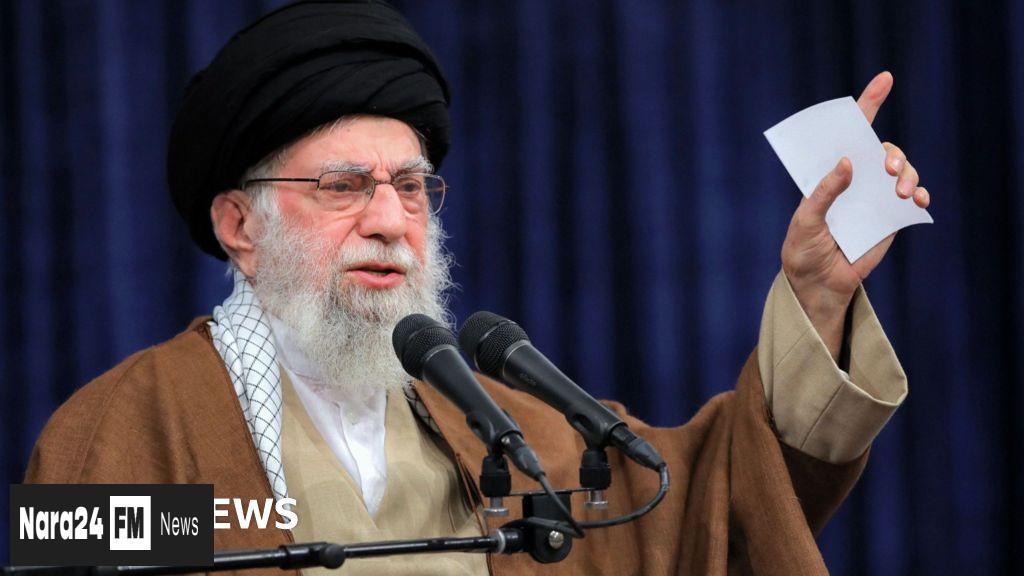
However, the threat of escalation remains. Iran's Supreme Leader Ayatollah Ali Khamenei had previously warned that US intervention would result in "irreparable damage." Additionally, Iranian-backed Houthi rebels in Yemen have threatened to attack US ships in the Red Sea if America entered the conflict.
The region now watches anxiously to see whether this development signals the beginning of the end of hostilities or the start of a more dangerous phase. The potential for Iran to disrupt oil exports from the Gulf or target US military personnel and bases adds further uncertainty to an already volatile situation.
As tensions simmer, the international community remains divided on the implications of the US's bold move. While some view it as a necessary step to curb Iran's nuclear ambitions, others warn of the risks of further destabilizing an already fragile region.



Comments (0)
Leave a Comment
Be the first to comment on this article!