In This Article
- Powerful Quake Triggers Pacific-Wide Alert
- The Ring of Fire's Relentless Activity
- Why Tsunami Impact Remained Limited
- Evolution of Disaster Response
Key Takeaways
- A magnitude 8.8 earthquake in Russia's Kamchatka Peninsula generated a smaller-than-expected tsunami due to shallow depth, coastal geography, and effective warning systems.
- The quake occurred in the Pacific Ring of Fire, where the Pacific Plate collides with the Okhotsk microplate at 8cm annually, creating high seismic activity.
- Megathrust earthquakes like this one result from sudden release of accumulated stress between locked tectonic plates, common in Kamchatka's seismic history.
- Modern tsunami warning systems and evacuation protocols minimized human impact, contrasting sharply with unprepared regions in past disasters like the 2004 Indian Ocean tsunami.
- Improved monitoring technology and disaster preparedness have significantly enhanced global resilience to seismic events despite ongoing geological risks.
Powerful Quake Sparks Pacific-Wide Alert
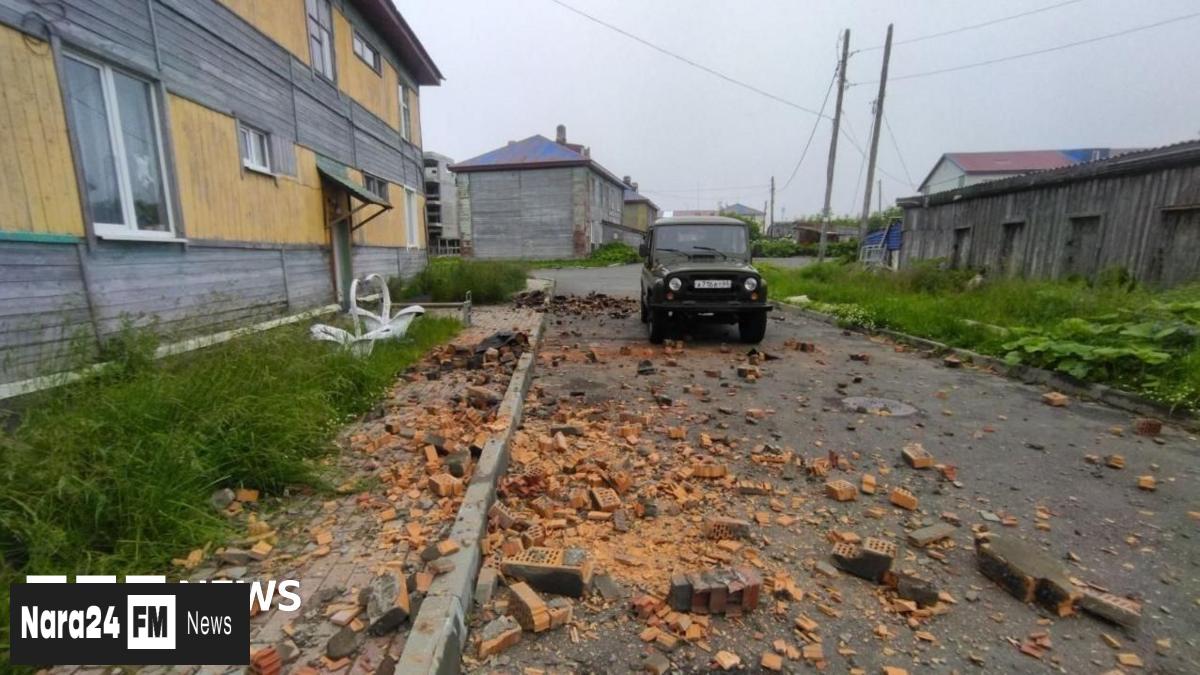
A magnitude 8.8 earthquake struck Russia’s remote Kamchatka Peninsula on Wednesday, triggering evacuations across Pacific coastal regions. Despite being one of the strongest seismic events ever recorded, the tsunami generated by the quake caused only localized damage – a stark contrast to historical disasters like the 2004 Indian Ocean and 2011 Japan tsunamis.
The Ring of Fire’s Relentless Activity
The tremor originated in the Pacific Ring of Fire, a seismic hotspot responsible for 80% of global earthquakes. Here, the dense Pacific Plate collides with the Okhotsk microplate at 8cm annually, creating intense geological friction.
“Megathrust earthquakes occur when locked plates suddenly release centuries of accumulated stress,” explained Dr. Stephen Hicks, an environmental seismologist at University College London. “The Kamchatka region has a history of such events, including a 1952 magnitude 9.0 quake just 30km from this week’s epicenter.”
Why Tsunami Impact Remained Limited
Initial tsunami waves measured 4 meters (13ft) in eastern Russia – far smaller than the 30-meter waves seen in past disasters. Key factors included:
- Focal depth: The quake’s shallow 20.7km hypocentre might have generated less seafloor displacement than deeper ruptures
- Coastal geography: Local seafloor contours and shoreline shapes dissipated wave energy
- Warning systems: Advanced Pacific tsunami alerts enabled timely evacuctions
Evolution of Disaster Response
Modern monitoring networks proved crucial in minimizing risk. Unlike the 2004 Indian Ocean tragedy that claimed 230,000 lives without warning systems, Pacific nations activated evacuation protocols within minutes.
Professor Lisa McNeill of Southampton University emphasized: “While we can’t predict quakes, improved technology and preparedness dramatically reduce human impact. This event demonstrates how far disaster response has advanced.”
As aftershock monitoring continues, scientists stress that the region’s volatile geology ensures future seismic events – but with growing global resilience against nature’s fury.


Comments (0)
Leave a Comment
Be the first to comment on this article!