
The Dawn of a New F1 Era
As the 2025 season concludes with McLaren's championship double, Formula 1 stands on the brink of its most significant transformation in decades. The 2026 campaign will introduce groundbreaking technical regulations and welcome fresh faces to the grid, marking a pivotal moment for the sport.
Technical Revolution
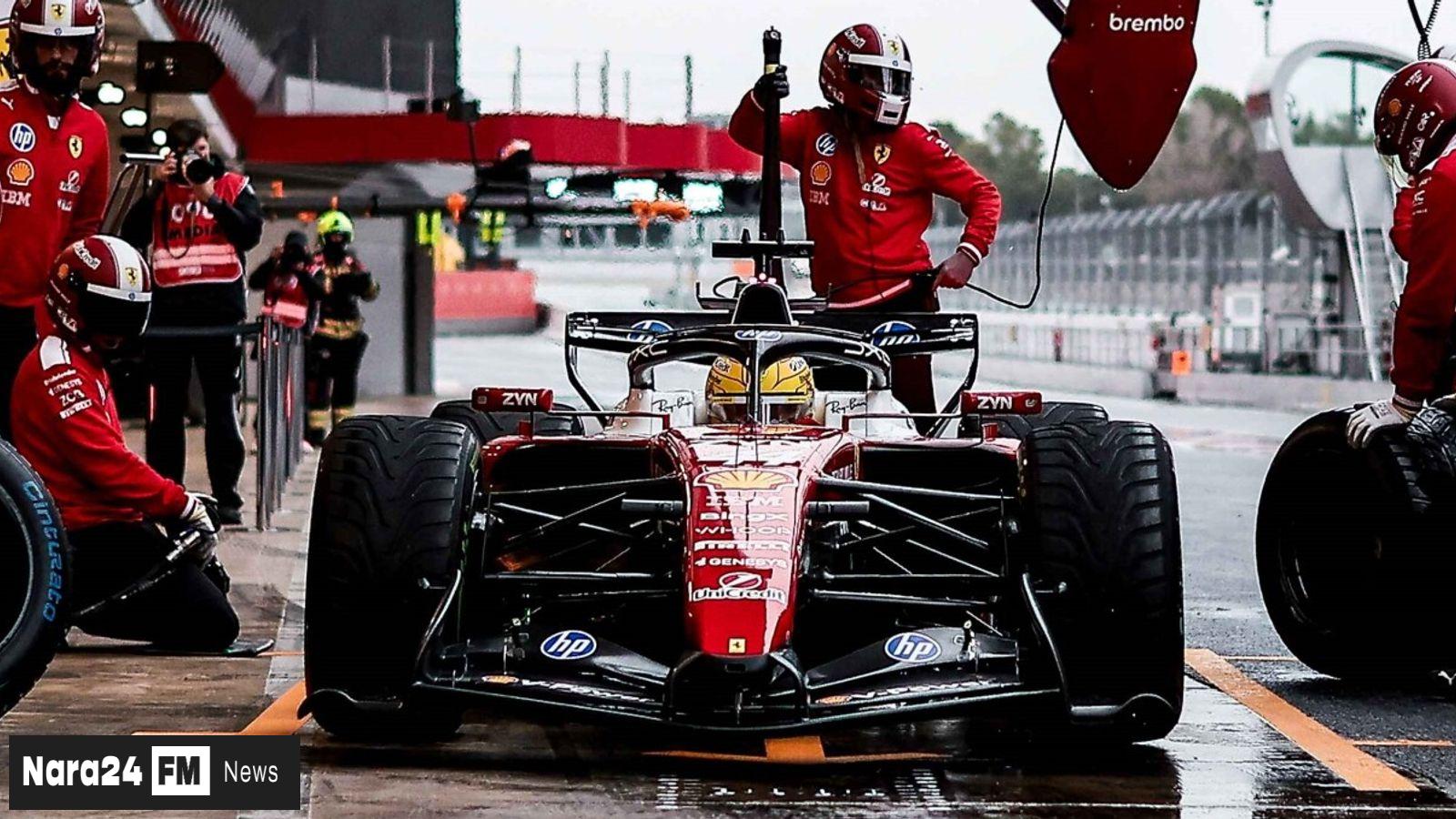
The 2026 regulations promise the most substantial overhaul in F1 history, featuring:
- 30kg lighter chassis with 10cm reduced width
- 50/50 power split between electric and combustion engines
- Fully sustainable fuels and redesigned aerodynamics
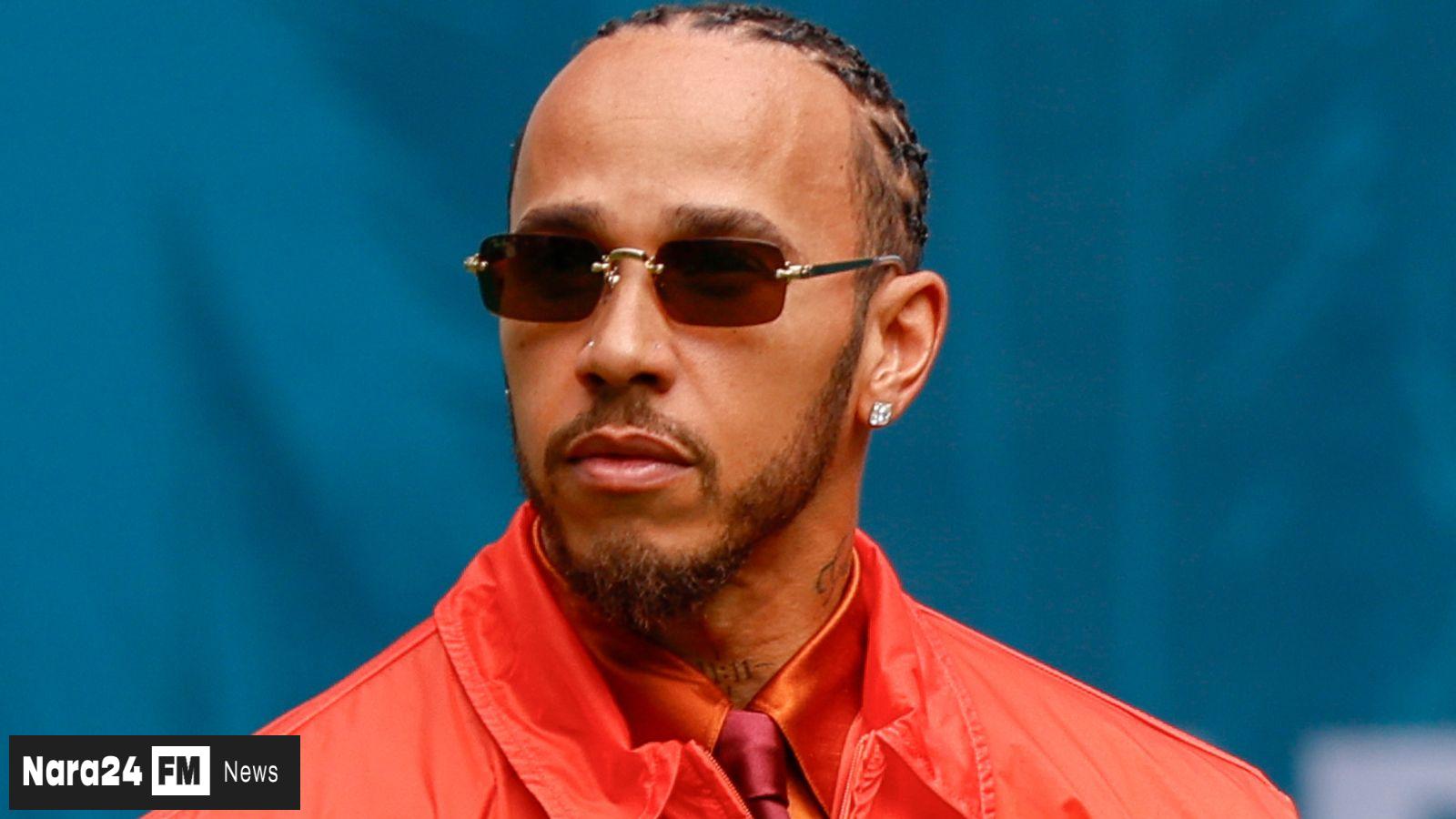
Seven-time world champion Lewis Hamilton expressed cautious optimism: "It's really hard to predict. We might have better grip than anticipated, or it could be incredibly challenging - especially in wet conditions."
Rising Stars and Veteran Moves
The driver lineup sees notable changes, including 18-year-old British-Swedish-Indian racer Arvid Lindblad joining Racing Bulls. The teenager, born months after Fernando Alonso's second title, will partner Liam Lawson after an impressive Formula 2 campaign.
| Team | Driver Changes |
|---|---|
| Red Bull | Isack Hadjar replaces Yuki Tsunoda |
| Cadillac | Bottas and Perez lead new American entry |
Manufacturer Shakeup
The grid expands to 11 teams with Cadillac's arrival, while Audi completes its Sauber takeover. Significant engine changes include:
- Red Bull partners with Ford after Honda switches to Aston Martin
- Renault exits engine supply, leaving Alpine with Mercedes power
- Audi develops its own power unit for 2026 regulations
Calendar Updates
Madrid replaces Imola on the 2026 schedule, continuing F1's expansion into new markets. The Spanish capital joins an evolving roster of venues as the sport balances tradition with growth.
With unprecedented technical changes, fresh talent, and manufacturer movements, 2026 promises to redefine Formula 1 racing for a new generation.




Comments (0)
Leave a Comment
Be the first to comment on this article!