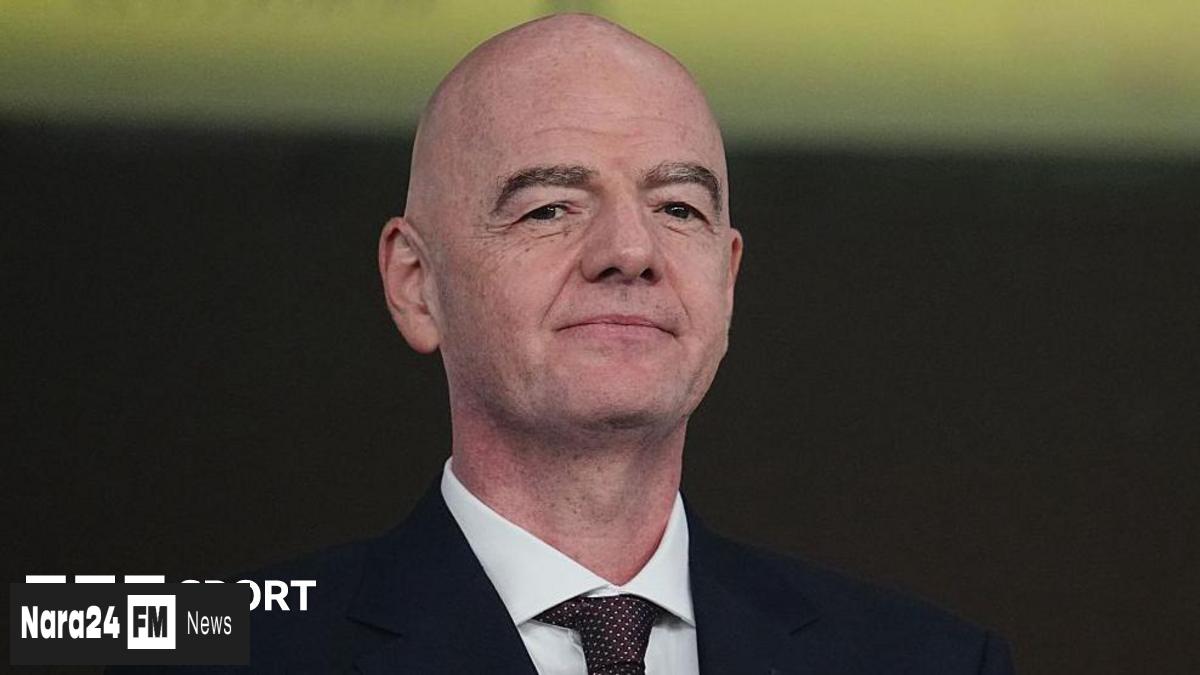
FIFA President Gianni Infantino has drawn criticism for a poorly received remark about the conduct of British football fans during the 2022 World Cup in Qatar. Speaking at the World Economic Forum in Switzerland, Infantino quipped: "For the first time in history, no Brit was arrested during a World Cup. Imagine—this is something really, really special." The comment, met with laughter at the event, sparked ire among England supporters and the Football Supporters' Association, who labeled it a "cheap joke" that misrepresents fan behavior.
World Cup Arrest Statistics Paint Different Picture
Data from the past six World Cups contradicts Infantino’s implication that British fans are routinely disruptive:
- 2002 (Japan/South Korea): 1 arrest among 8,000 England fans
- 2006 (Germany): 21 football-related arrests (vs. 429 in Germany-Poland clashes)
- 2010 (South Africa): Zero arrests among 30,000 travelers
- 2014 (Brazil): 15 non-violent arrests, mostly ticket touting
- 2018 (Russia): 6 arrests among 20,000 supporters
- 2022 (Qatar): No arrests for England or Wales fans
In total, just 55 arrests occurred across 432,000 traveling England supporters over two decades—only 28 involving violence. Chief Constable Mark Roberts, the UK's football policing lead, stated: "British fans behaving at World Cups is the norm, not something special. Such comments are neither helpful nor accurate."
Euro Tournaments Fuel Stereotypes
While World Cups have seen minimal incidents, England’s reputation stems largely from European Championship disturbances:
- Euro 2000: 945 arrests led to emergency legislation
- Euro 2016: Marseille clashes with Russian fans
- Euro 2020 Final: Wembley gate-crashing overshadowed team’s historic run
Experts note that proximity and affordability of Euros—compared to distant World Cups—often influence fan turnout and behavior. The 2020 final incidents, though involving a minority, reinforced outdated hooligan stereotypes despite years of improved conduct at global tournaments.
As FIFA prepares for the 2026 North American World Cup, stakeholders emphasize the need for balanced perspectives on fan culture—recognizing progress while addressing isolated lapses.
Related Topics
Football Governance | Sports Policing | International Fan Culture






Comments (0)
Leave a Comment
Be the first to comment on this article!