In This Article
- High Court Dismisses Noel Clarke's Defamation Lawsuit
- Allegations and Trial Details
- Judge's Findings and Verdict
- Industry Reactions and Impact
- Clarke's Response and Future Implications
Key Takeaways
- Noel Clarke lost his defamation lawsuit against The Guardian, with the High Court ruling the newspaper's sexual misconduct allegations were substantially true and in the public interest.
- The judge found Clarke was not a credible witness and dismissed his claim of a conspiracy, stating testimony from over 20 witnesses made his defense implausible.
- The Guardian's investigation was praised as a victory for victims and investigative journalism, with the editor highlighting the courage of the women who testified.
- Clarke denied being the person described in the articles, claiming inaccuracies ruined his career, though the judge accepted some of his specific denials.
- The case revealed long-standing industry concerns about Clarke's behavior, with his 2021 BAFTA award prompting women to come forward.
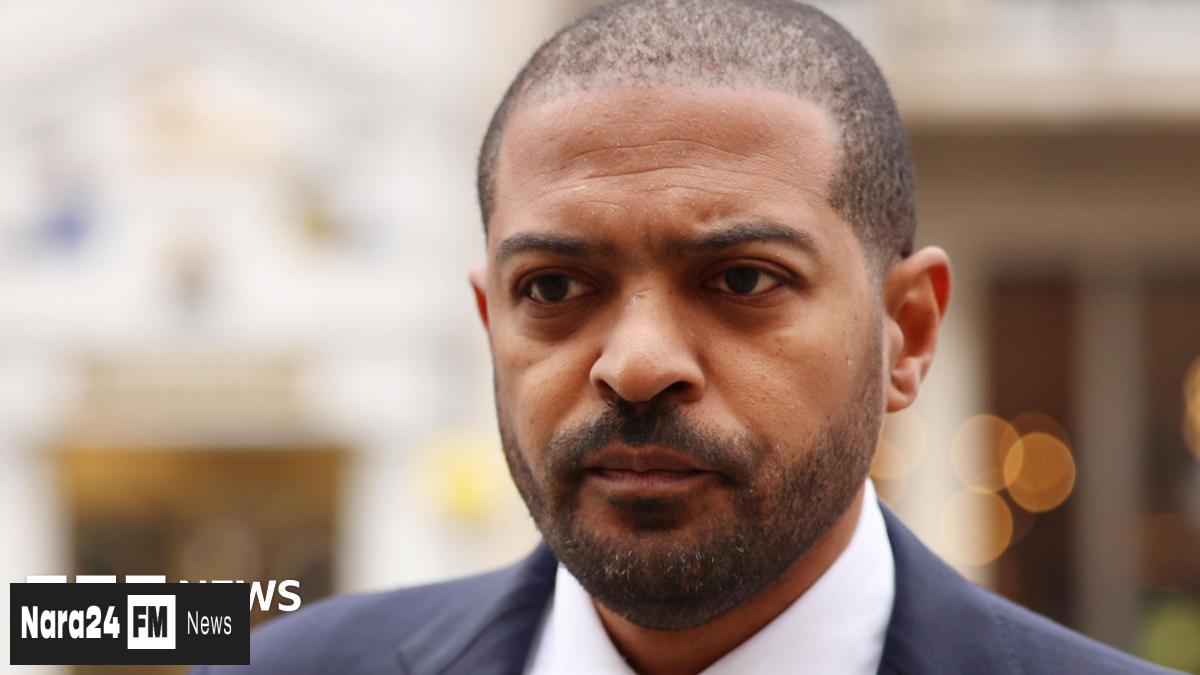
British actor and filmmaker Noel Clarke has lost his defamation lawsuit against The Guardian, with a High Court judge ruling that the newspaper's 2021 investigation into allegations of sexual misconduct against him was substantially accurate and served the public interest.
Mr. Clarke, known for roles in Doctor Who and the Kidulthood film series, sued Guardian News and Media (GNM) over seven articles and a podcast published in 2021. The reports alleged he exploited his influential position in the UK film and television industry to harass and prey upon women.
In a judgment delivered on Friday, Mrs Justice Steyn dismissed Clarke's defamation claim. She determined that "the meaning of each of the newspaper's articles was substantially true" and that The Guardian successfully defended its reporting on both truth and public interest grounds.
The judge noted that Clarke presented himself as "not a credible or reliable witness" overall during the six-week trial, despite accepting portions of his testimony. She also rejected his claim of being targeted by an "unlawful conspiracy," stating it lacked proper foundation and was "born of necessity" given the volume of testimony against him.
More than twenty witnesses testified during the proceedings, with numerous women detailing personal experiences of misconduct. "There has been no conspiracy to lie," emphasized Justice Steyn. "In the absence of a conspiracy, Mr Clarke's case that more than 20 witnesses... have come to court to lie is inherently implausible."
The judgment highlighted that concerns about Clarke's behavior had circulated for years within the industry, with BAFTA's March 2021 announcement of his Outstanding British Contribution to Cinema award acting as a catalyst for women to come forward, fearing the recognition would amplify his influence.
Guardian Editor-in-Chief Katharine Viner welcomed the ruling, calling it "a deserved victory for those women who suffered" and a "landmark for investigative journalism." She praised the courage of the witnesses who testified despite the challenges, hoping the outcome encourages other women to speak out.
Clarke expressed disappointment with the verdict, stating: "I have never claimed to be perfect. But I am not the person described in these articles." He maintained the reporting contained inaccuracies and claimed it destroyed his career and family life. The judge did accept some of his specific denials, including refuting one groping allegation and clarifying that nude photographs presented as evidence were taken consensually.
The 49-year-old actor rose to fame playing Mickey Smith in Doctor Who and later became a prominent figure in British cinema through his work on the 'hood' trilogy. His 2021 BAFTA award and membership were suspended following The Guardian's original reports.




Comments (0)
Leave a Comment
Be the first to comment on this article!