In This Article
- Know Your Laws Campaign Overview
- Explaining the Law Beyond Legal Jargon
- Digital Reach and Public Response
- The Role of Civil Society
- Looking Ahead: Goals and Impact
Key Takeaways
- The Know Your Laws campaign educates Ugandans on contentious laws like the Anti-Homosexuality Act and Computer Misuse (Amendment) Act, clarifying their impact on rights and daily life.
- Digital platforms and simplified content help the campaign reach diverse audiences, including marginalized communities often excluded from legal discussions.
- The Anti-Homosexuality Act has heightened stigma and fear among sexual minorities, while the Computer Misuse Act risks stifling online freedom of expression.
- Strong online engagement and hashtags like #KnowYourLawsUg show public support for repealing restrictive laws and advancing LGBTIQ rights.
- Civil society groups emphasize that legal education empowers citizens to engage as rights holders, countering politicization and selective enforcement of laws.
Know Your Laws Campaign Demystifies Contentious Legislation
Kampala — A civic education initiative known as Know Your Laws is steadily reshaping public debate around some of Uganda’s most contested legislation by breaking down complex legal provisions and explaining their real-life impact on ordinary citizens, campaign organisers say.
Launched amid a tightening civic space following the enactment of the Anti-Homosexuality Act and the Computer Misuse (Amendment) Act, the campaign seeks to bridge what activists describe as a growing gap between the law and public understanding. Many Ugandans, they argue, encounter legislation only at the point of enforcement, often without clarity on their rights or obligations.
The campaign is organised by a coalition of nine civil society organisations from Uganda and Kenya and relies largely on digital platforms to reach broad and diverse audiences. By operating online, organisers aim to reach communities that are frequently excluded from formal legal discussions.
Explaining the Law Beyond Legal Jargon
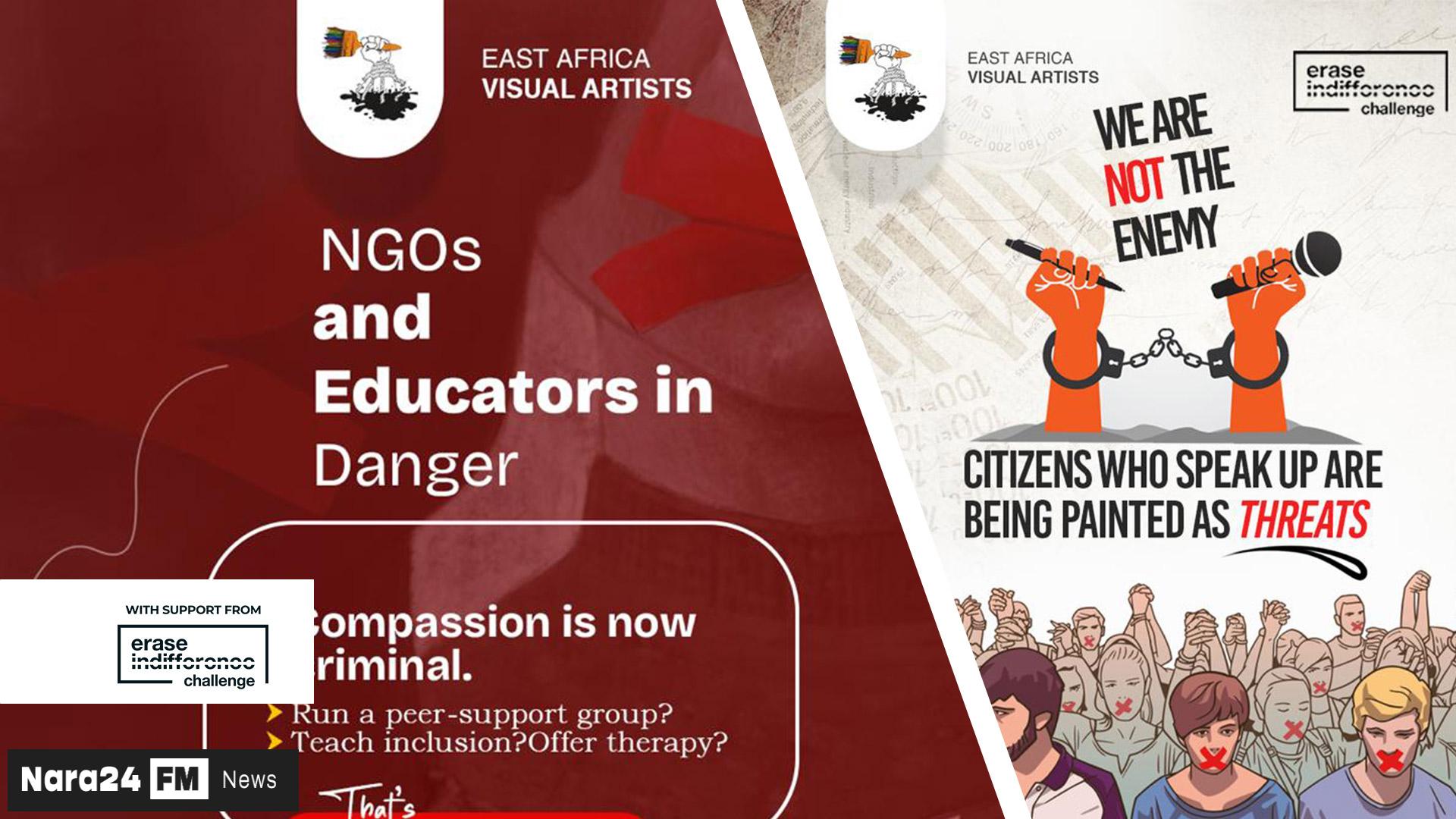
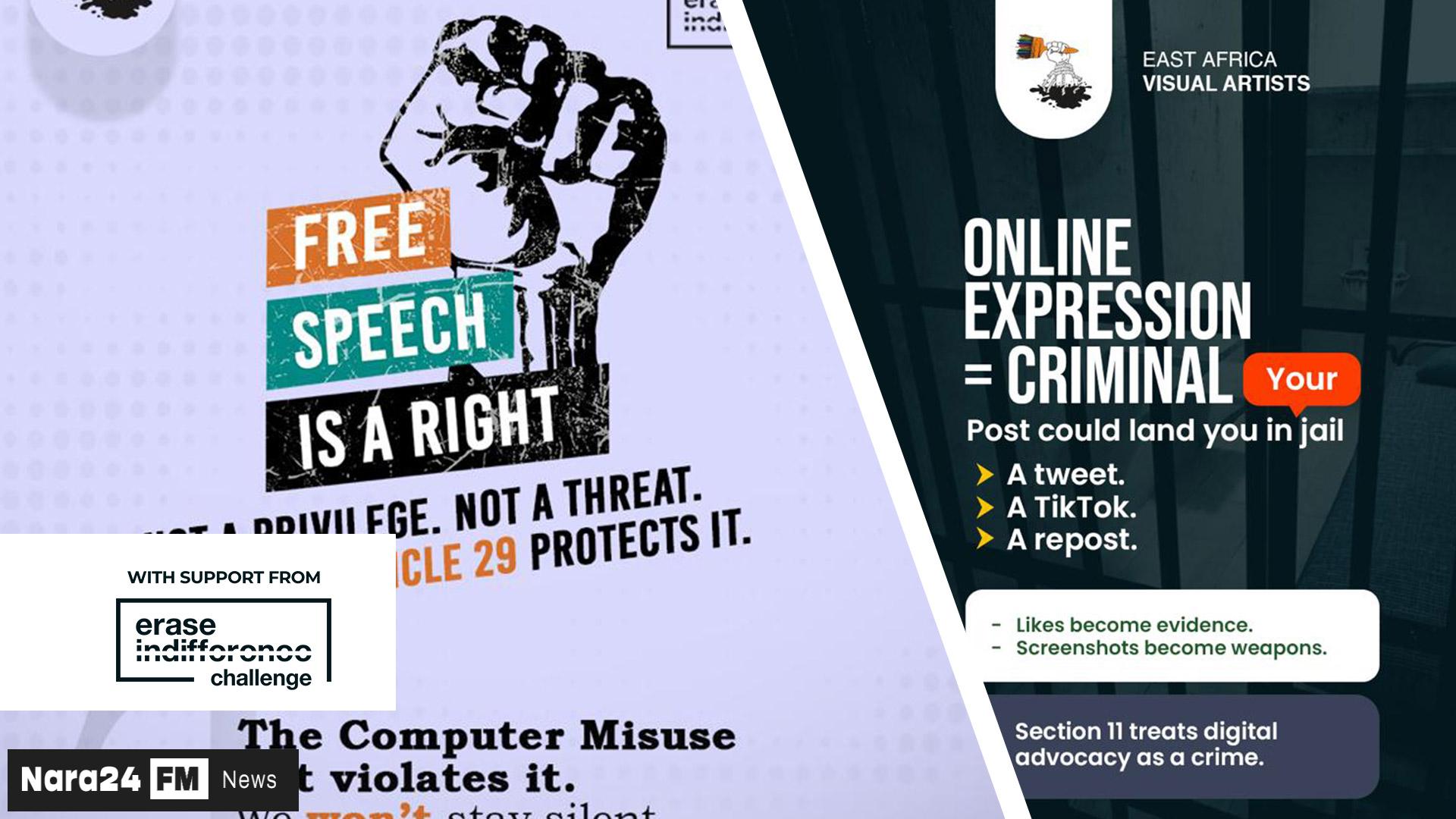
Through simplified legal explainers, visual content and coordinated weekly social media posts, the campaign highlights how the two laws affect freedom of expression, association and personal security.
The Anti-Homosexuality Act has attracted both domestic and international criticism for criminalising consensual same-sex relations and introducing penalties for what the law terms the “promotion” of homosexuality. Human rights organisations argue that the legislation has reinforced stigma, restricted access to essential services and heightened fear among sexual minorities.
At the same time, the Computer Misuse (Amendment) Act has raised alarm among journalists, artists and activists who say its broad and ambiguous wording gives authorities wide discretion to regulate and police online speech.
Know Your Laws Campaign Boosts Legal Awareness Amid Shrinking Civic Space in Uganda
As civic space narrows in Uganda, the Know Your Laws campaig...
Read moreCampaign organisers say many citizens remain unaware of these implications.
“People hear that a law exists, but they do not always know how it can affect what they post online, who they associate with or even how they access services,” one organiser noted.
Digital Reach and Public Response
According to campaign data, 155 social media posts were published over the campaign period, with participating organisations sharing content once a week across their platforms. Two hashtags — #KnowYourLawsUg and #RepealAntiHomosexualityLawUg — were used consistently to consolidate discussion and increase visibility.
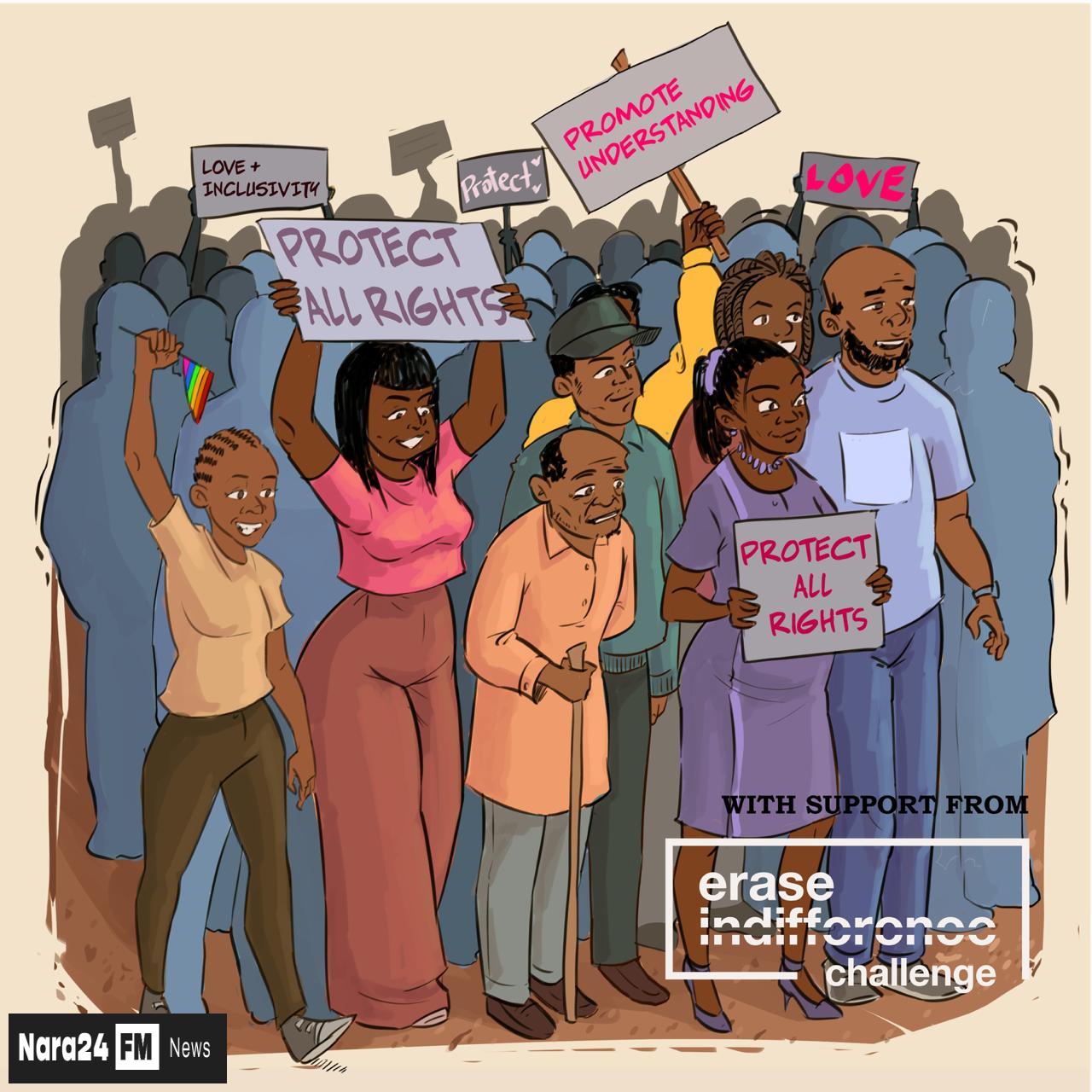
Online engagement has been strong. Comment sections have featured users openly expressing support for LGBTIQ human rights, questioning the constitutionality of the laws and calling for their repeal. Conversations sparked by the campaign have also expanded to include broader issues of inclusion, safety and constitutional protections.
Beyond social media, campaign materials have been adopted by universities, community-based organisations and activists, who are using them as tools for training, dialogue and public education.
Alleged Massacre at Suweida Hospital Sparks Outrage
Eyewitness accounts and graphic descriptions paint a gruesom...
Read moreThe Role of Civil Society
One of the organisations supporting the initiative is East African Visual Artists (EAVA), a Kampala-based collective that uses art and storytelling to address social justice issues. EAVA and its partners emphasise that public legal education is essential at a time when fear, misinformation and restrictive laws threaten civic participation.
Analysts note that when legislation is poorly understood, it becomes more susceptible to politicisation and selective enforcement, particularly against marginalised communities. Civic education initiatives, they argue, help citizens engage with the law not only as subjects, but as rights holders.
Looking Ahead
Organisers of the Know Your Laws campaign say their goal extends beyond awareness to fostering informed public engagement and accountability.
“As citizens understand how laws affect their daily lives, they are better placed to participate meaningfully in national conversations about justice, democracy and human rights,” the organisers said.
As debate around Uganda’s contested laws continues, the campaign highlights a growing push by civil society to ensure that legal processes are not confined to lawyers and politicians, but are accessible to the public they govern.




Comments (0)
Leave a Comment
Be the first to comment on this article!