In This Article
- Uganda 2026 Election Overview
- Key Election Details
- Presidential Contenders
- Voters' Key Concerns
- Election Integrity and Challenges
Key Takeaways
- Uganda's 2026 election presents a choice between incumbent President Yoweri Museveni, seeking a seventh term after 38 years in power, and opposition leader Bobi Wine, a pop star-turned-politician advocating for reform.
- The election occurs amid concerns over fairness, with opposition activities frequently disrupted by detentions and police interventions, creating what UN experts describe as a 'pervasive climate of fear.'
- Youth unemployment and economic issues dominate voter concerns, with Uganda's under-30 population seeking solutions despite rising average incomes post-pandemic.
- President Museveni's rule, initially seen as democratic, now faces criticism for human rights abuses, constitutional amendments removing term limits, and allegations of election rigging.
- Bobi Wine's National Unity Platform represents a growing opposition force, particularly among young urban voters, but faces ongoing harassment from security forces during campaigns.
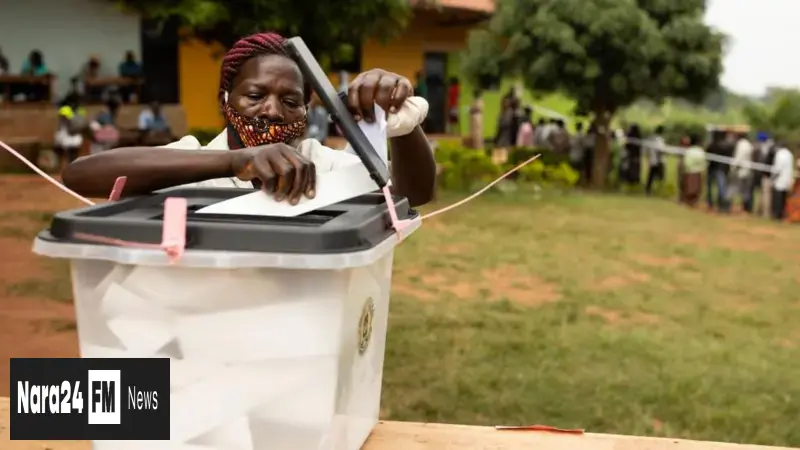
As Ugandans head to the polls on January 15, they are presented with a stark choice: to re-elect an 81-year-old leader who has been in power for nearly four decades or to support a charismatic pop star turned politician who vows to revolutionize governance.
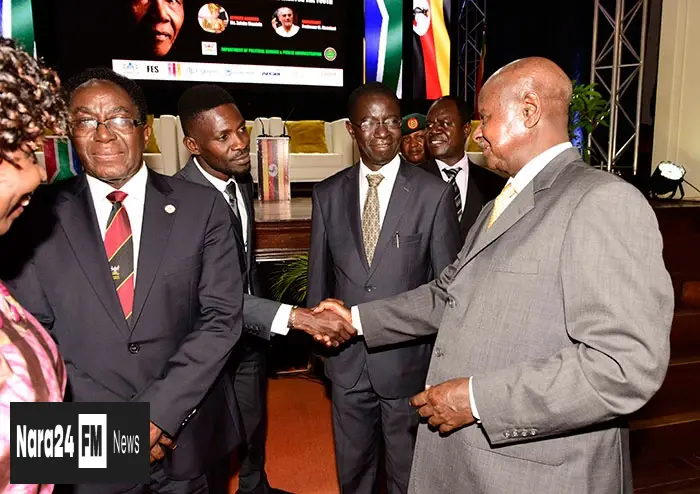
President Yoweri Museveni, aiming for his seventh consecutive victory, has been at the helm since 1986. His main contender, 43-year-old Robert Kyagulanyi, popularly known as Bobi Wine, has pledged sweeping reforms and a new approach to leadership.
The campaign season has been marked by disruptions, with opposition activities often met with detentions and police interventions. High youth unemployment and economic concerns have been central to the debates, as the majority of Uganda's population is under 30.
### Election Details
- **Date:** Thursday, January 15
- **Polling Hours:** 07:00 to 16:00 local time (04:00 to 13:00 GMT)
- **Voters:** 21.6 million registered voters participating in presidential, parliamentary, and local district elections
### Presidential Contenders
Museveni and Bobi Wine are the leading candidates in a field of eight hopefuls. This is the second time they have faced off in a presidential election. In the 2021 poll, Museveni secured 58% of the vote, while Bobi Wine garnered 35%, amidst allegations of rigging and opposition crackdowns.
#### Yoweri Museveni - National Resistance Movement (NRM)
Museveni first seized power in 1986, leading a guerrilla army that promised to restore democracy after years of civil war and dictatorship. Initially seen as a fresh face in African leadership, his rule has been marred by accusations of human rights abuses and opposition harassment. Critics argue that he has governed with an iron fist and has not kept his promises to step down. Currently, he is the third longest-serving leader in Africa, having benefited from constitutional amendments that removed age and term limits.
#### Bobi Wine - National Unity Platform (NUP)
Bobi Wine, known for his music career, has emerged as a strong opposition figure. Nicknamed the "ghetto president," he represents youthful aspirations for change and enjoys robust support among young, urban, working-class voters. He established himself as a serious contender in the 2021 election, becoming the largest opposition force in parliament. Since then, he has faced continued harassment from security forces.
Other candidates include Frank Bulira, Robert Kasibante, Joseph Mabirizi, Nandala Mafabi, Mugisha Muntu, and Mubarak Munyagwa. Prominent opposition figure Kizza Besigye, who ran against Museveni four times, is ineligible to participate due to treason charges following his arrest in neighboring Kenya in 2024.
### Key Voters' Concerns
Economic issues, particularly unemployment, are top of mind for many voters. While the average income has been rising since the pandemic, job opportunities remain scarce. Concerns about poor infrastructure, disparities in education and healthcare, and widespread corruption also loom large. Uganda ranks 140th out of 180 countries on Transparency International's Corruption Perceptions Index, with reports of bribery and nepotism in government institutions.
### Election Integrity
Elections in Uganda have often been criticized for lacking fairness. Officials have assured that this year's vote will be free and fair, but UN experts have expressed skepticism, citing a "pervasive climate of fear." Opposition supporters have faced harassment, including arrests on politically motivated charges. Security forces have disrupted Bobi Wine's rallies, while Museveni's gatherings have proceeded without interference.
Amnesty International has described the government's actions as a "brutal campaign of repression." The government maintains that these measures are necessary to ensure a peaceful election and prevent riots. Bobi Wine has urged voters to stay at polling stations to safeguard their ballots, while election officials have assured transparency in vote counting, inviting party agents, media, and monitors to observe the process.
Critics, however, remain skeptical about the integrity of the election process.


Comments (0)
Leave a Comment
Be the first to comment on this article!